
Jul 22, 2026
Best Tennis Racquets for Intermediate to Advanced Players in 2026
Our on-court picks for the best tennis racquets for intermediate to advanced players in 2026, tested for control, spin, power, and feel, not just spec sheets.
Tennis Racquets
Overview
If you're rallying consistently, serving with some bite, and starting to notice exactly what your racquet won't let you do, you've outgrown a beginner frame.
That's the intermediate to advanced zone, roughly 3.5 to 4.5+ NTRP, where the racquet stops being a safety net and starts being a tool you can actually shape your game around.
The problem is that most "best racquet" lists are just spec sheets with affiliate links bolted on. This one isn't. Every racquet below has been hit with across multiple sessions, groundstrokes, serves, volleys, the lot, and rated on how it actually behaves under pressure, not how it reads on a box.

What Changes Once You're Past Beginner Level
Beginner racquets are built to forgive. Intermediate to advanced racquets are built to reward. That shift shows up in four places:
Weight. Climbs from featherweight beginner frames (around 9 to 9.5 oz unstrung) into the 10.5 to 12 oz range, adding stability against harder hit balls.
String pattern. An open 16x19 pattern favours spin and power. A denser 18x20 favours control and flatter, more directed shots.
Balance. Headlight frames feel quicker through the swing and at net. A more even or head heavy balance adds plough through on groundstrokes.
Head size. Drops from 105+ sq. in. down to 95 to 100 sq. in. for more precision and less "trampoline" effect.
None of these are "better" in isolation, they're trade offs. The right racquet depends on your swing style, not the racquet's reputation.
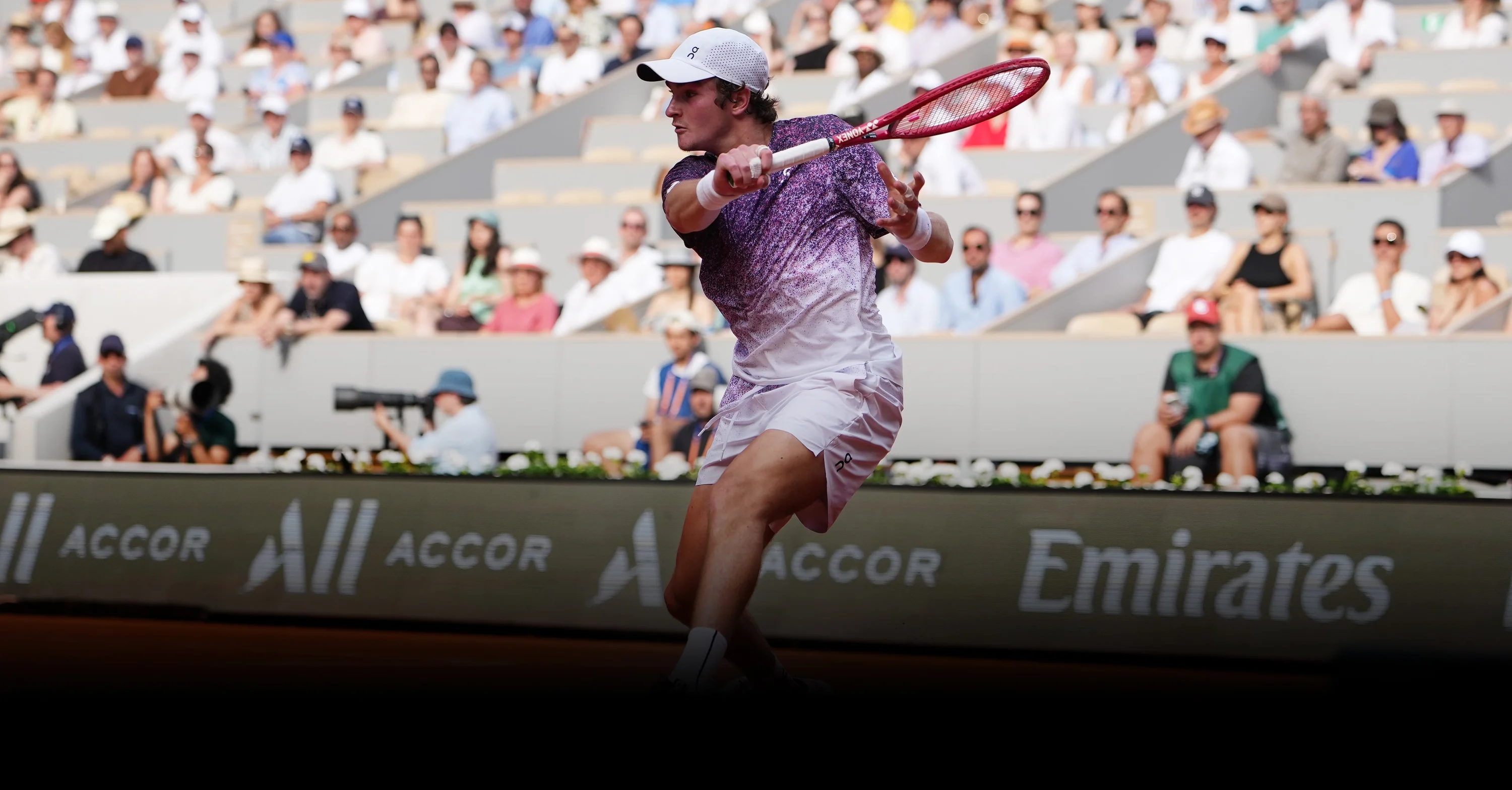

Best Overall
Do you want a jack of all trades racquet or a master of one thing, this is a crucial decision when picking your next frame. Take a look at our top picks, but as we always say, you need to take them for a spin in order to really know what suits your game.
Best Overall: Wilson Blade 98 16x19 (v10)
The Blade has been the go to "all court, all purpose" frame for a reason, and the current v10 keeps that reputation intact. At around 11.4 oz with a 98 sq. in. head and an open 16x19 pattern, it's built to balance power and control with a comfortable, connected feel that works well on both groundstrokes and volleys. It's the racquet we'd point most players toward if they only wanted to buy one.
Best for: players who want one frame that does everything reasonably well, rather than specialising in one area.
Best for Spin and Baseline Power: Babolat Pure Aero (2026)
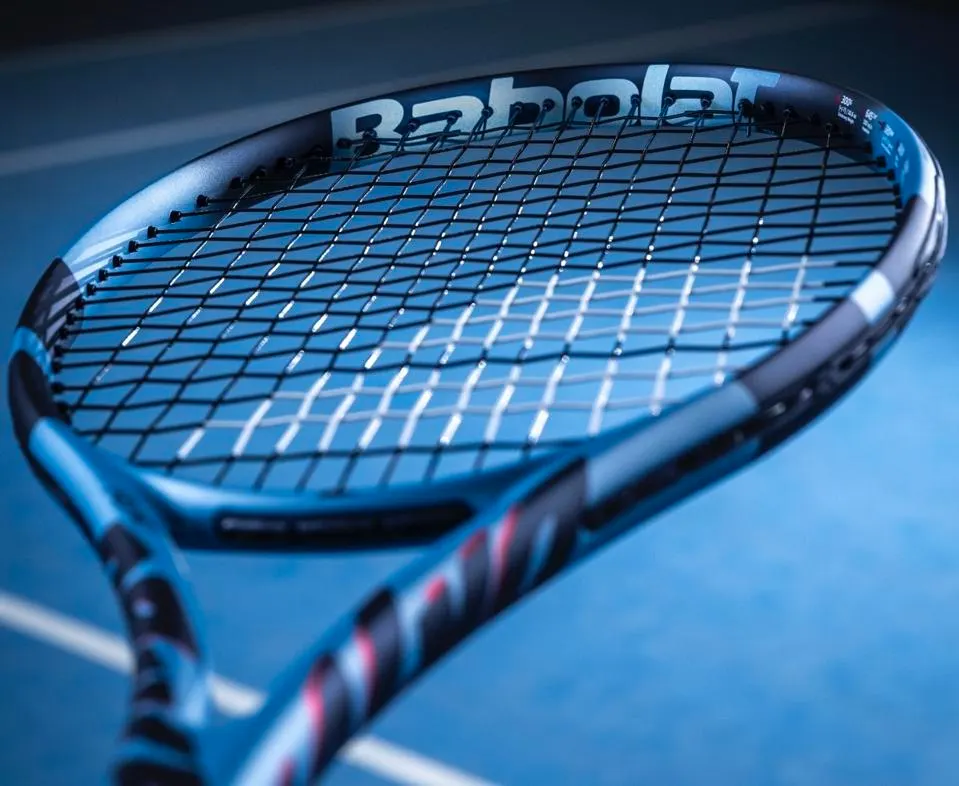
If your game is built on heavy topspin and grinding from the back of the court, the Pure Aero remains the benchmark. The 2026 edition is widely considered the best version yet, and Babolat's aerodynamic frame updates make it easier to generate racquet head speed without sacrificing stability. It won't be the most delicate racquet at net (its feel and touch are solid rather than exceptional), but for baseline first players it's hard to beat for effortless spin.
Best for: aggressive baseliners who want to load up on topspin and dictate rallies from the back.
Best for Control and Feel: Wilson Pro Staff 97 (v14 / Classic)
For advanced players with a full, fast swing who don't need help generating power, the Pro Staff line is the traditionalist's choice. The current Classic edition carries forward the same proven construction as the v14, refining what's made this racquet a long time favourite among experienced players. It rewards timing and technique rather than compensating for a lack of it, which is exactly why intermediate players often aren't ready for it yet.
Best for: advanced players with a developed technique who want precision over free power.
Best for Spin Hungry Intermediates: Yonex VCORE 100 (2026)
The VCORE 100 has become one of the most talked about upgrades of the year. It's our pick for the best intermediate spin racquet, producing a heavy, high launching ball with excellent power and consistency from the baseline, though it's less suited to flatter hitters or serve and volley players who want more net presence. If you're moving up from a beginner frame and want a racquet that actively helps your topspin game rather than just tolerating it, this is the one to demo.
Best for: intermediates transitioning up who play a spin heavy, baseline oriented game.
Best for All Court Advanced Players: Yonex Percept 97D
For players comfortable at both the baseline and the net, the Percept 97D is a genuine all courter. It suits strong intermediate to advanced players with well developed strength and technique, particularly those who like to flatten the ball out and use topspin as a complement rather than a crutch. That's typically players with an eastern or strong eastern forehand grip. The 7 point headlight balance keeps it swingable without turning it into a pure power frame.
Best for: all court players with solid technique who split their time between baseline and net.
Best Arm Friendly Advanced Option: Head Gravity Tour
Tennis elbow doesn't care how good your technique is, and more players are now choosing racquets with comfort in mind rather than treating it as an afterthought. With a 98 sq. in. head, flexible 16x19 pattern, and a notably low stiffness rating, the Gravity Tour is one of the more arm friendly advanced racquets available, generating a heavy, high dwell time ball without the harshness some control frames bring. It's a natural next step for players moving on from an 18x20 pattern who want more spin without losing feel.
Best for: advanced players managing arm sensitivity who still want a control oriented frame.
Already Reviewed on Tennis Edge
Two racquets from this bracket have already been through our full on court testing process, if you want the deeper breakdown:
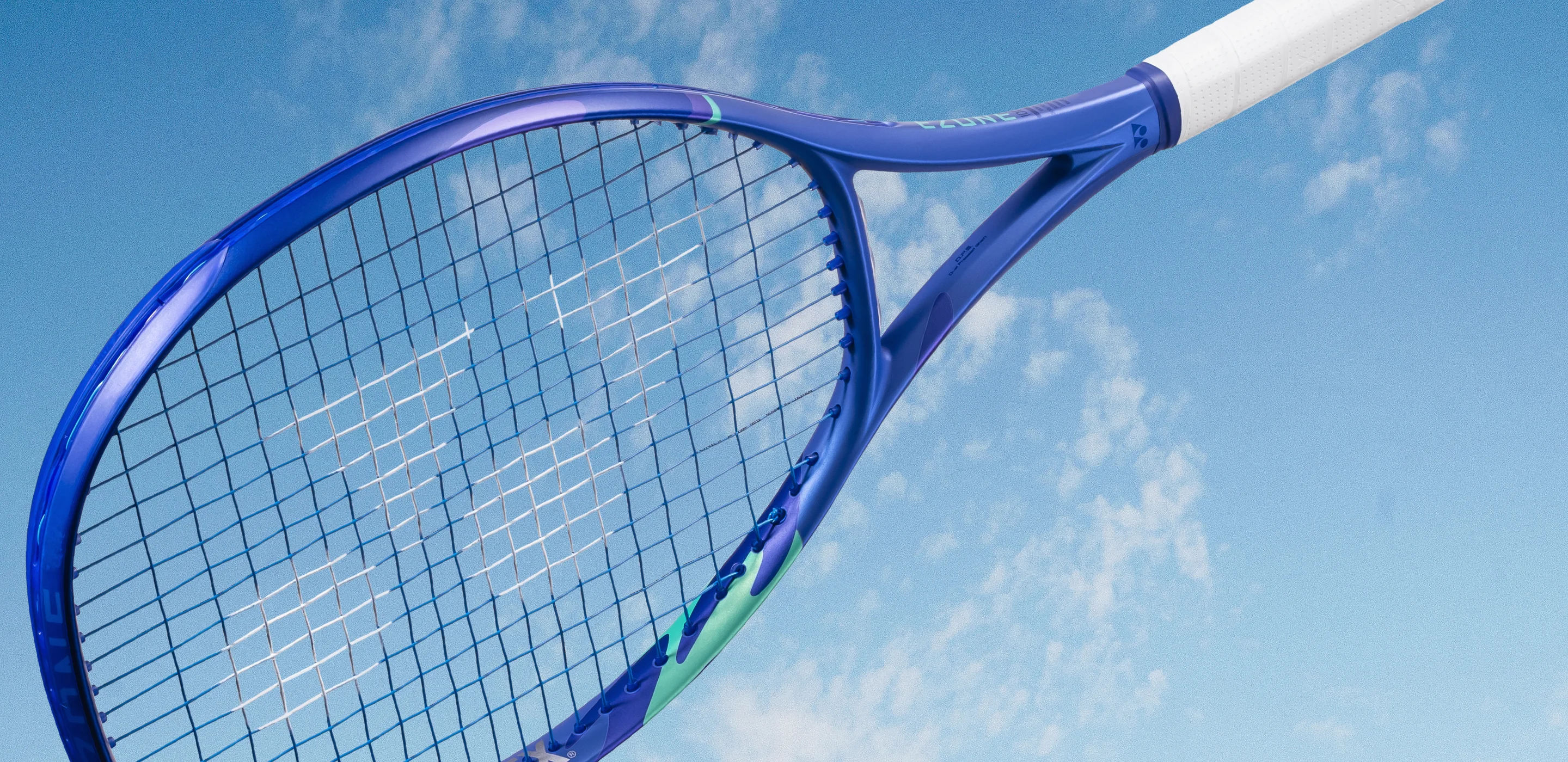
Yonex Ezone 98, a power leaning option worth a look if you want more free pace without going full spin frame.
Tecnifibre Tfight 305S, a control focused frame for players who want precision over forgiveness.
How to Actually Choose Between These
Specs only get you so far. Before you buy:
Match the racquet to your swing, not your ambition. A control frame won't make you play like an advanced player if your technique isn't there yet. It'll just make the ball feel dead.
Demo before you commit. Most of these racquets are available to test for a few sessions through specialist retailers. Hit serves, groundstrokes, and volleys, not just a warm up rally.
String pattern matters as much as head size. If you're unsure whether you want 16x19 or 18x20, default to 16x19. It's more forgiving and still allows plenty of control at this level.
Don't ignore weight. A racquet that feels great after ten minutes can feel very different after a full three set match.
Latest Articles
(TE® — 02)
©2026

FAQ
01
How do you conduct a tennis racquet review?
02
Are your tennis racquet reviews independent?
03
Which tennis racquets have you reviewed?
04
How do I find the best tennis racquet review for my level?
05
How often do you publish new tennis racquet reviews?

Jul 22, 2026
Best Tennis Racquets for Intermediate to Advanced Players in 2026
Our on-court picks for the best tennis racquets for intermediate to advanced players in 2026, tested for control, spin, power, and feel, not just spec sheets.
Tennis Racquets
Overview
If you're rallying consistently, serving with some bite, and starting to notice exactly what your racquet won't let you do, you've outgrown a beginner frame.
That's the intermediate to advanced zone, roughly 3.5 to 4.5+ NTRP, where the racquet stops being a safety net and starts being a tool you can actually shape your game around.
The problem is that most "best racquet" lists are just spec sheets with affiliate links bolted on. This one isn't. Every racquet below has been hit with across multiple sessions, groundstrokes, serves, volleys, the lot, and rated on how it actually behaves under pressure, not how it reads on a box.
What Changes Once You're Past Beginner Level
Beginner racquets are built to forgive. Intermediate to advanced racquets are built to reward. That shift shows up in four places:
Weight. Climbs from featherweight beginner frames (around 9 to 9.5 oz unstrung) into the 10.5 to 12 oz range, adding stability against harder hit balls.
String pattern. An open 16x19 pattern favours spin and power. A denser 18x20 favours control and flatter, more directed shots.
Balance. Headlight frames feel quicker through the swing and at net. A more even or head heavy balance adds plough through on groundstrokes.
Head size. Drops from 105+ sq. in. down to 95 to 100 sq. in. for more precision and less "trampoline" effect.
None of these are "better" in isolation, they're trade offs. The right racquet depends on your swing style, not the racquet's reputation.
Best Overall
Do you want a jack of all trades racquet or a master of one thing, this is a crucial decision when picking your next frame. Take a look at our top picks, but as we always say, you need to take them for a spin in order to really know what suits your game.
Best Overall: Wilson Blade 98 16x19 (v10)
The Blade has been the go to "all court, all purpose" frame for a reason, and the current v10 keeps that reputation intact. At around 11.4 oz with a 98 sq. in. head and an open 16x19 pattern, it's built to balance power and control with a comfortable, connected feel that works well on both groundstrokes and volleys. It's the racquet we'd point most players toward if they only wanted to buy one.
Best for: players who want one frame that does everything reasonably well, rather than specialising in one area.
Best for Spin and Baseline Power: Babolat Pure Aero (2026)
If your game is built on heavy topspin and grinding from the back of the court, the Pure Aero remains the benchmark. The 2026 edition is widely considered the best version yet, and Babolat's aerodynamic frame updates make it easier to generate racquet head speed without sacrificing stability. It won't be the most delicate racquet at net (its feel and touch are solid rather than exceptional), but for baseline first players it's hard to beat for effortless spin.
Best for: aggressive baseliners who want to load up on topspin and dictate rallies from the back.
Best for Control and Feel: Wilson Pro Staff 97 (v14 / Classic)
For advanced players with a full, fast swing who don't need help generating power, the Pro Staff line is the traditionalist's choice. The current Classic edition carries forward the same proven construction as the v14, refining what's made this racquet a long time favourite among experienced players. It rewards timing and technique rather than compensating for a lack of it, which is exactly why intermediate players often aren't ready for it yet.
Best for: advanced players with a developed technique who want precision over free power.
Best for Spin Hungry Intermediates: Yonex VCORE 100 (2026)
The VCORE 100 has become one of the most talked about upgrades of the year. It's our pick for the best intermediate spin racquet, producing a heavy, high launching ball with excellent power and consistency from the baseline, though it's less suited to flatter hitters or serve and volley players who want more net presence. If you're moving up from a beginner frame and want a racquet that actively helps your topspin game rather than just tolerating it, this is the one to demo.
Best for: intermediates transitioning up who play a spin heavy, baseline oriented game.
Best for All Court Advanced Players: Yonex Percept 97D
For players comfortable at both the baseline and the net, the Percept 97D is a genuine all courter. It suits strong intermediate to advanced players with well developed strength and technique, particularly those who like to flatten the ball out and use topspin as a complement rather than a crutch. That's typically players with an eastern or strong eastern forehand grip. The 7 point headlight balance keeps it swingable without turning it into a pure power frame.
Best for: all court players with solid technique who split their time between baseline and net.
Best Arm Friendly Advanced Option: Head Gravity Tour
Tennis elbow doesn't care how good your technique is, and more players are now choosing racquets with comfort in mind rather than treating it as an afterthought. With a 98 sq. in. head, flexible 16x19 pattern, and a notably low stiffness rating, the Gravity Tour is one of the more arm friendly advanced racquets available, generating a heavy, high dwell time ball without the harshness some control frames bring. It's a natural next step for players moving on from an 18x20 pattern who want more spin without losing feel.
Best for: advanced players managing arm sensitivity who still want a control oriented frame.
Already Reviewed on Tennis Edge
Two racquets from this bracket have already been through our full on court testing process, if you want the deeper breakdown:
Yonex Ezone 98, a power leaning option worth a look if you want more free pace without going full spin frame.
Tecnifibre Tfight 305S, a control focused frame for players who want precision over forgiveness.
How to Actually Choose Between These
Specs only get you so far. Before you buy:
Match the racquet to your swing, not your ambition. A control frame won't make you play like an advanced player if your technique isn't there yet. It'll just make the ball feel dead.
Demo before you commit. Most of these racquets are available to test for a few sessions through specialist retailers. Hit serves, groundstrokes, and volleys, not just a warm up rally.
String pattern matters as much as head size. If you're unsure whether you want 16x19 or 18x20, default to 16x19. It's more forgiving and still allows plenty of control at this level.
Don't ignore weight. A racquet that feels great after ten minutes can feel very different after a full three set match.
Latest Articles
(TE® — 02)
©2026
FAQ
01
How do you conduct a tennis racquet review?
02
Are your tennis racquet reviews independent?
03
Which tennis racquets have you reviewed?
04
How do I find the best tennis racquet review for my level?
05
How often do you publish new tennis racquet reviews?
Jul 22, 2026
Best Tennis Racquets for Intermediate to Advanced Players in 2026
Our on-court picks for the best tennis racquets for intermediate to advanced players in 2026, tested for control, spin, power, and feel, not just spec sheets.
Tennis Racquets
Overview
If you're rallying consistently, serving with some bite, and starting to notice exactly what your racquet won't let you do, you've outgrown a beginner frame.
That's the intermediate to advanced zone, roughly 3.5 to 4.5+ NTRP, where the racquet stops being a safety net and starts being a tool you can actually shape your game around.
The problem is that most "best racquet" lists are just spec sheets with affiliate links bolted on. This one isn't. Every racquet below has been hit with across multiple sessions, groundstrokes, serves, volleys, the lot, and rated on how it actually behaves under pressure, not how it reads on a box.
What Changes Once You're Past Beginner Level
Beginner racquets are built to forgive. Intermediate to advanced racquets are built to reward. That shift shows up in four places:
Weight. Climbs from featherweight beginner frames (around 9 to 9.5 oz unstrung) into the 10.5 to 12 oz range, adding stability against harder hit balls.
String pattern. An open 16x19 pattern favours spin and power. A denser 18x20 favours control and flatter, more directed shots.
Balance. Headlight frames feel quicker through the swing and at net. A more even or head heavy balance adds plough through on groundstrokes.
Head size. Drops from 105+ sq. in. down to 95 to 100 sq. in. for more precision and less "trampoline" effect.
None of these are "better" in isolation, they're trade offs. The right racquet depends on your swing style, not the racquet's reputation.
Best Overall
Do you want a jack of all trades racquet or a master of one thing, this is a crucial decision when picking your next frame. Take a look at our top picks, but as we always say, you need to take them for a spin in order to really know what suits your game.
Best Overall: Wilson Blade 98 16x19 (v10)
The Blade has been the go to "all court, all purpose" frame for a reason, and the current v10 keeps that reputation intact. At around 11.4 oz with a 98 sq. in. head and an open 16x19 pattern, it's built to balance power and control with a comfortable, connected feel that works well on both groundstrokes and volleys. It's the racquet we'd point most players toward if they only wanted to buy one.
Best for: players who want one frame that does everything reasonably well, rather than specialising in one area.
Best for Spin and Baseline Power: Babolat Pure Aero (2026)
If your game is built on heavy topspin and grinding from the back of the court, the Pure Aero remains the benchmark. The 2026 edition is widely considered the best version yet, and Babolat's aerodynamic frame updates make it easier to generate racquet head speed without sacrificing stability. It won't be the most delicate racquet at net (its feel and touch are solid rather than exceptional), but for baseline first players it's hard to beat for effortless spin.
Best for: aggressive baseliners who want to load up on topspin and dictate rallies from the back.
Best for Control and Feel: Wilson Pro Staff 97 (v14 / Classic)
For advanced players with a full, fast swing who don't need help generating power, the Pro Staff line is the traditionalist's choice. The current Classic edition carries forward the same proven construction as the v14, refining what's made this racquet a long time favourite among experienced players. It rewards timing and technique rather than compensating for a lack of it, which is exactly why intermediate players often aren't ready for it yet.
Best for: advanced players with a developed technique who want precision over free power.
Best for Spin Hungry Intermediates: Yonex VCORE 100 (2026)
The VCORE 100 has become one of the most talked about upgrades of the year. It's our pick for the best intermediate spin racquet, producing a heavy, high launching ball with excellent power and consistency from the baseline, though it's less suited to flatter hitters or serve and volley players who want more net presence. If you're moving up from a beginner frame and want a racquet that actively helps your topspin game rather than just tolerating it, this is the one to demo.
Best for: intermediates transitioning up who play a spin heavy, baseline oriented game.
Best for All Court Advanced Players: Yonex Percept 97D
For players comfortable at both the baseline and the net, the Percept 97D is a genuine all courter. It suits strong intermediate to advanced players with well developed strength and technique, particularly those who like to flatten the ball out and use topspin as a complement rather than a crutch. That's typically players with an eastern or strong eastern forehand grip. The 7 point headlight balance keeps it swingable without turning it into a pure power frame.
Best for: all court players with solid technique who split their time between baseline and net.
Best Arm Friendly Advanced Option: Head Gravity Tour
Tennis elbow doesn't care how good your technique is, and more players are now choosing racquets with comfort in mind rather than treating it as an afterthought. With a 98 sq. in. head, flexible 16x19 pattern, and a notably low stiffness rating, the Gravity Tour is one of the more arm friendly advanced racquets available, generating a heavy, high dwell time ball without the harshness some control frames bring. It's a natural next step for players moving on from an 18x20 pattern who want more spin without losing feel.
Best for: advanced players managing arm sensitivity who still want a control oriented frame.
Already Reviewed on Tennis Edge
Two racquets from this bracket have already been through our full on court testing process, if you want the deeper breakdown:
Yonex Ezone 98, a power leaning option worth a look if you want more free pace without going full spin frame.
Tecnifibre Tfight 305S, a control focused frame for players who want precision over forgiveness.
How to Actually Choose Between These
Specs only get you so far. Before you buy:
Match the racquet to your swing, not your ambition. A control frame won't make you play like an advanced player if your technique isn't there yet. It'll just make the ball feel dead.
Demo before you commit. Most of these racquets are available to test for a few sessions through specialist retailers. Hit serves, groundstrokes, and volleys, not just a warm up rally.
String pattern matters as much as head size. If you're unsure whether you want 16x19 or 18x20, default to 16x19. It's more forgiving and still allows plenty of control at this level.
Don't ignore weight. A racquet that feels great after ten minutes can feel very different after a full three set match.
FAQ
How do you conduct a tennis racquet review?
Are your tennis racquet reviews independent?
Which tennis racquets have you reviewed?
How do I find the best tennis racquet review for my level?
How often do you publish new tennis racquet reviews?